Trump Keeps the Execution Off Camera
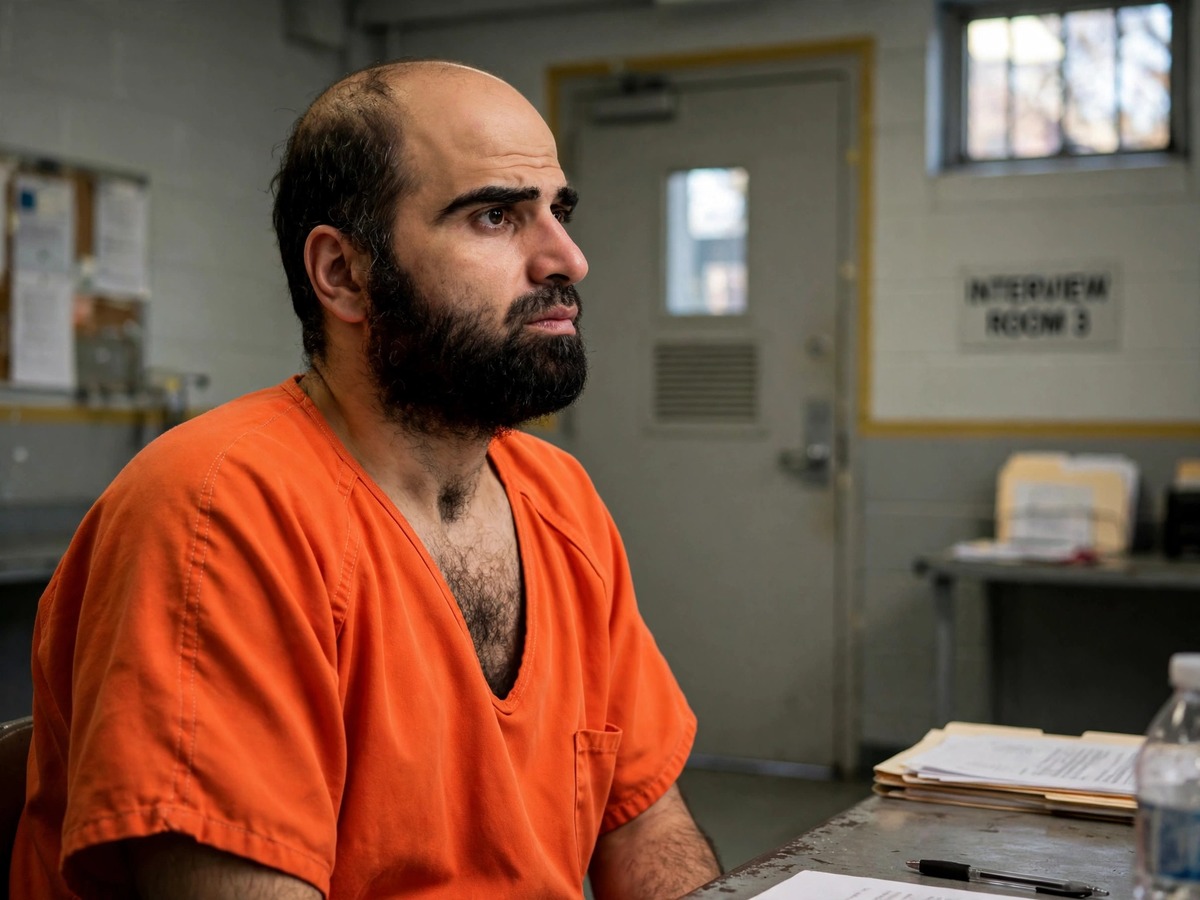
President Donald Trump said on Truth Social that Nidal Malik Hasan’s scheduled execution will go forward by firing squad, but it will not be livestreamed. Hasan, a former U.S. Army major identified in the post as the Fort Hood terrorist, killed thirteen people, including a pregnant soldier who died along with her unborn son. Thirty-two other innocent people were seriously injured. Trump said the victims’ immediate families may view the execution in person if they choose. He also argued that a livestream could have acted as a deterrent by showing the world how America handles terrorists. At the same time, he acknowledged that many well-meaning people would rather not watch a person die through a stream or another visual device. The result is a clear line between carrying out the scheduled punishment and broadcasting it. The execution remains planned, while the wider public is kept away from the visual event.
The Post Reopened the Intelligence Question
Trump’s post also revisited the intelligence history surrounding the Fort Hood killings. He said the FBI intercepted electronic communications between Hasan and Anwar al-Awlaki, described in the post as a radical Yemeni-American cleric. When the FBI terrorism task force reviewed Hasan’s emails, Trump said investigators concluded they were not a threat. That judgment was later considered a key intelligence failure during the Obama administration. By placing those communications next to the scheduled execution, Trump tied the punishment to a broader question about institutional judgment: warning signs were reportedly intercepted, but the assessment did not identify them as a threat. The post does not provide a new account of the investigators’ reasoning. It does, however, keep that earlier decision at the center of the story, alongside the question of how the execution should be witnessed.
https://truthsocial.com/@realDonaldTrump/posts/117445309638266855
Why It Matters
The dispute is not only about whether the execution is scheduled. It is about what public justice is meant to accomplish. Trump presented a livestream as a possible deterrent, while also recognizing that many people would reject turning a death into an online spectacle. Keeping the event off camera allows the punishment to proceed without making the wider public a forced audience. Offering the victims’ immediate families a choice to attend in person gives them a different role from viewers who might simply watch a broadcast.
The story also keeps attention on the intelligence failure described by Trump. If communications were intercepted but later judged not threatening, the key issue becomes how that judgment was reached and what investigators missed. That matters to public trust because the case is not only about the punishment itself. It is also about whether warning signs were treated seriously before the killings. The source presents Trump’s account, but it does not answer every question about the review, leaving the reasoning behind that assessment open to scrutiny.
For the victims’ families, the choice is more direct. They may decide whether to attend in person, while the rest of the public will not receive the livestream Trump once considered. That distinction leaves an unresolved tension between deterrence, privacy, and spectacle. The announcement settles the question of broadcast access, but it does not settle the larger debate over whether showing an execution would serve justice or merely display it. It also leaves open whether any relatives will choose to be present.
Source: The Liberty Daily