A Brief Tenure at the Podium
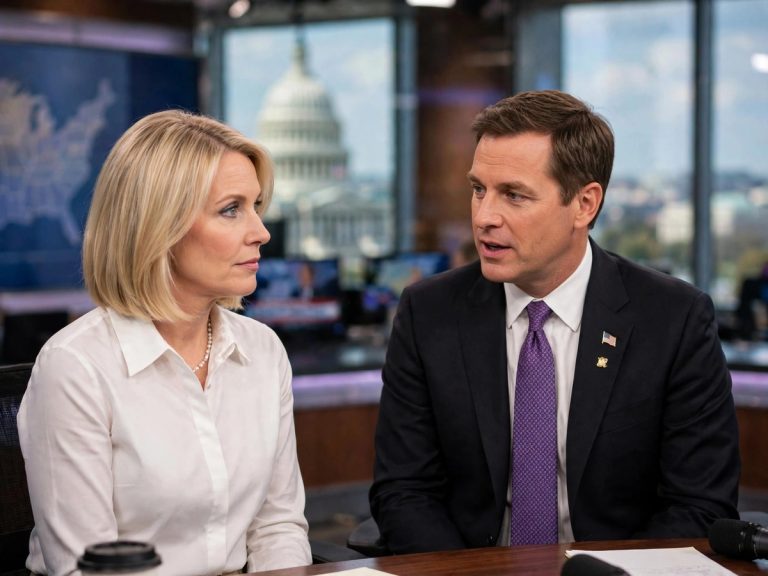
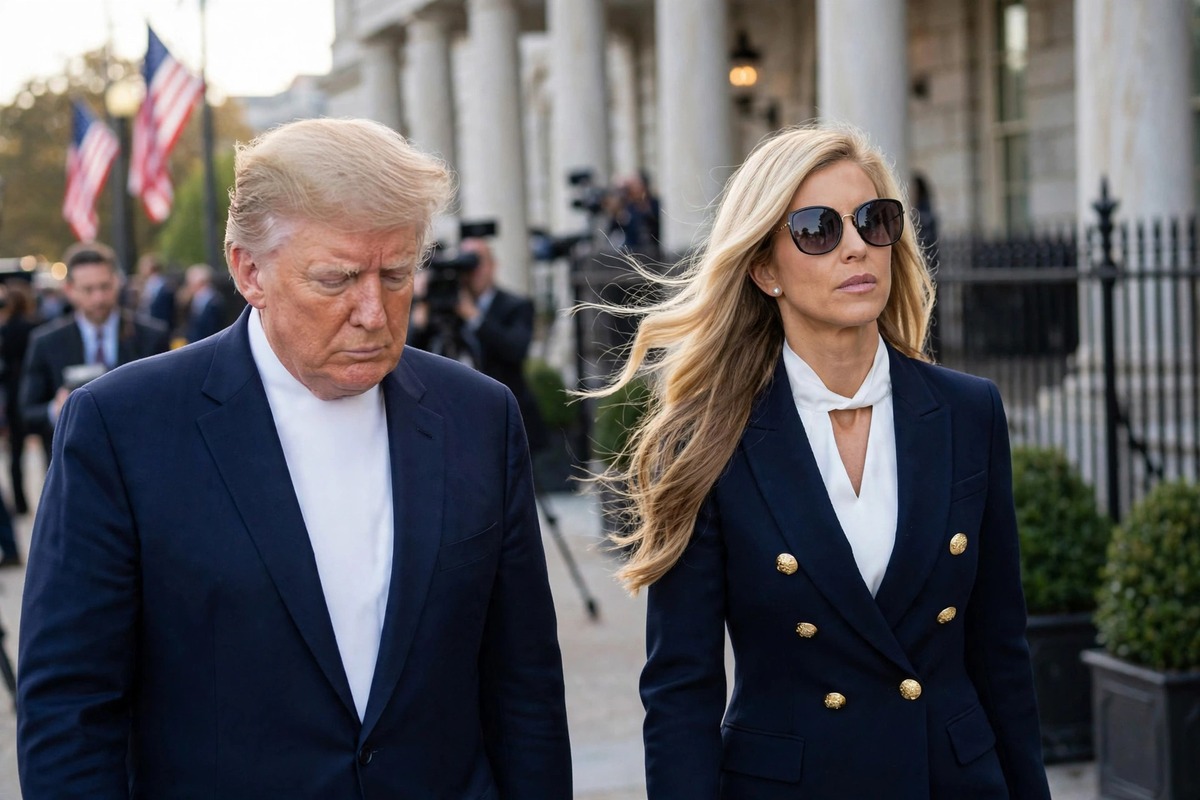
Katie Zacharia is out as White House press secretary after a tenure that barely had time to collect dust. A White House official confirmed to The Daily Signal that she was transitioning out of the position, and the report was updated to say she was out. Zacharia started Monday and held her first press briefing Tuesday. It lasted under fifteen minutes and included only three questions. There was not much runway for a new press secretary to settle in, which may explain why the personnel story moved faster than the briefing itself.
Trump Signaled the Exit
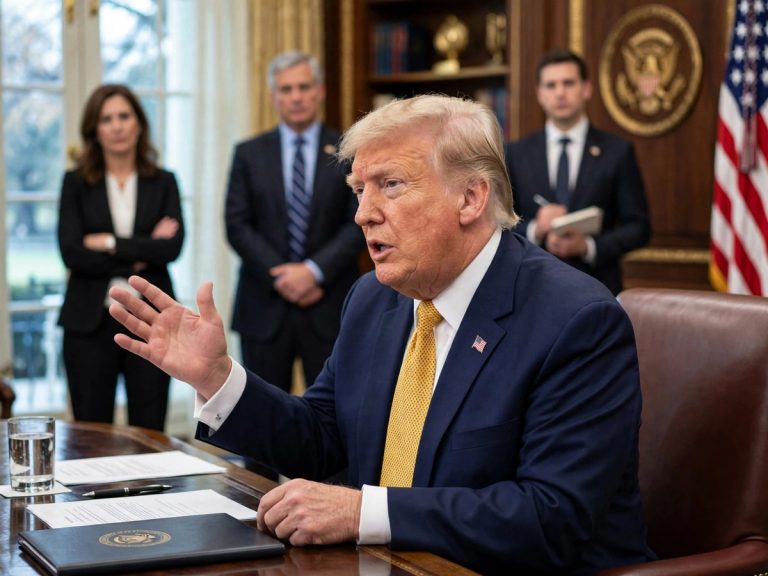
President Donald Trump had already opened the door to her departure on Friday. Speaking to reporters, he said he had asked Zacharia whether she needed the job and did not think she needed to endure the treatment she had faced during the previous three days. When asked whether he would maintain her employment, Trump said he would let her make that decision. He then added, “Honestly, if I were you, I’d reconsider.” The wording left the formal choice with Zacharia while making the president’s preference fairly easy to read.
Her Legal Background Became Part of the Story
The scrutiny focused in part on Zacharia’s legal credentials. She has described herself as a lawyer, while the report said there was no record of her passing the bar exam. Zacharia has said she took the exam once, failed, and did not take it again. In an interview with Fox News’ Sean Hannity, she said she graduated from Pepperdine, married that same week, and planned to move to China. She had preregistered for the exam, took it because she did not want a withdrawal status, and then moved to China. She also said she later worked in the international practice of a Chinese law firm. The résumé issue, it seems, arrived with its own travel itinerary.
Why It Matters
The press secretary role is more than a podium and a stack of questions. It is the White House’s public relay point, so a rapid change puts reporters, staff, and the public back at a basic question: who is speaking for the administration, and how much confidence should that voice command? A short first briefing also becomes a test of preparation, access, and trust. The machinery of official messaging does not get to pause simply because a personnel decision becomes awkward.
The legal credential dispute adds another layer. The issue is not merely whether someone passed an exam. It is whether a public description of professional experience is precise enough for a role built on credibility. Zacharia’s explanation about taking the exam once, moving to China, and working in an international practice gives context, but it also shows why a résumé can become a news story when the job demands public confidence.
The open questions are practical: what happens next for Zacharia, and how will the White House handle the communications role after this abrupt turn? The source does not answer those questions. It does show how quickly a personnel choice can become a story about management, transparency, and message discipline. In public life, even a short briefing can produce a long afterlife.
Source: The Liberty Daily