Trump Announces a New Direction for Auto Rules
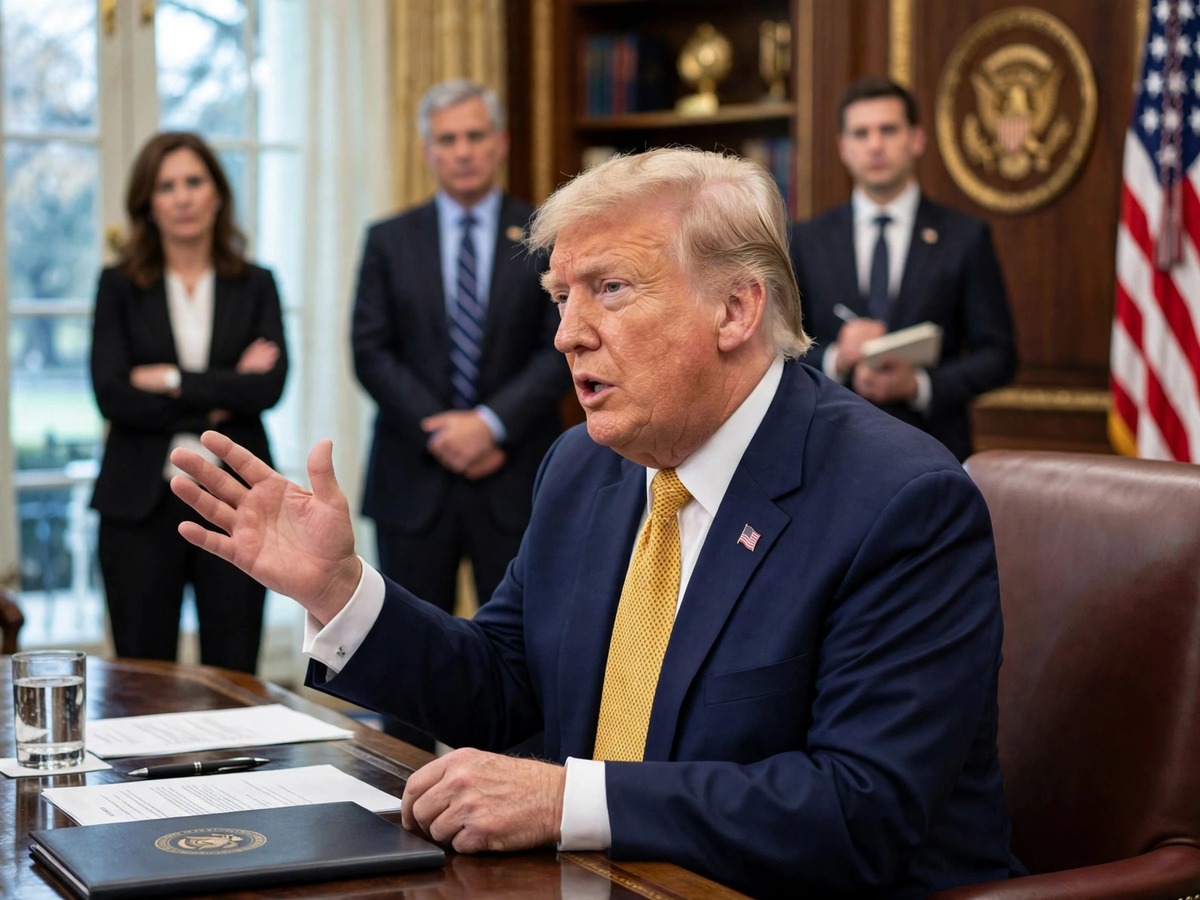
President Donald Trump announced on Truth Social that he had approved new fuel economy standards intended to effectively terminate Joe Biden’s electric vehicle mandate. Trump said the change would reduce waste in vehicle production and lower prices for American families. He also said the policy would help auto manufacturers build in the United States. In his telling, the old approach forced buyers toward vehicles they did not want while leaving manufacturers with extra costs. That is a large claim, but it is the central sales pitch for the new standards. Car policy has now joined the long list of subjects expected to be settled by a post before the paperwork arrives.
— Rapid Response 47 (@RapidResponse47) September 26, 2026
What the New Standards Would Change
Trump’s post said Democrats cost auto manufacturers billions, pushed Americans into unwanted cars, and wasted billions on chargers that were never built. He said the new standards would take waste out of building cars in America and save families thousands on a new vehicle. He also said General Motors, Ford, and Stellantis had called him about building in the United States. The report, however, includes an important brake pedal: the final rule was not available. That means the public has the announcement and the promises, but not yet the full text needed to see how the standards would work. Under Biden, the EPA had ordered about 67 percent of new light-duty and medium-duty vehicle sales to be electric by 2032. The new policy is presented as a direct reversal of that approach.
A major victory for America’s auto workers is COMING MONDAY 👀 pic.twitter.com/JB79NVufds
— Secretary Sean Duffy (@SecDuffy) September 26, 2026
Supporters Call It a Victory for Buyers and Workers
Transportation Secretary Sean Duffy said a major victory for American auto workers was coming Monday. Bernie Moreno described the move as a massive victory for consumers who, he said, had paid a heavy price for Biden’s policies. Moreno also connected the announcement to congressional Republicans’ effort to eliminate California’s ability to dictate which cars Americans could buy. Another supporter, Jack, declared that Biden and Buttigieg’s EV mandates were over and that the Green New Deal was finished. The political framing is blunt: supporters see the change as a win for consumer choice, domestic manufacturing, and affordability. Critics of the old policy are celebrating before the final rule is even posted, which is a very modern way to handle a regulatory victory.
📣MASSIVE victory for US consumers who paid a heavy price for Biden’s failed policies.
This move, and with the actions of Congressional Republicans to eliminate the ability for California to dictate the cars Americans could buy, will make American cars much more affordable! https://t.co/pQNgDp0iYd
— Bernie Moreno (@berniemoreno) September 26, 2026
President Trump officially just ended Biden and Buttigieg’s EV mandates.
Green new scam is over.
— Jack (@jackunheard) September 26, 2026
Why It Matters
This matters because the announcement reaches beyond a fight over vehicle technology. It is a fight over who sets the terms of an ordinary purchase. The source presents the Biden-era approach as pressure on manufacturers and buyers, while Trump presents his approach as a return to lower costs and wider choice. Families, workers, and automakers are all placed inside that policy argument.
The immediate stakes are practical. Buyers want prices they can manage, manufacturers want rules they can follow, and policymakers want their preferred environmental goals carried out. A promise of cheaper cars may sound simple, but the source also makes clear that the final rule is not public. Until the text appears, the size of the change and its legal effect remain open questions.
The larger question is whether federal policy should steer the market toward a specific kind of vehicle or let consumers and companies decide among available choices. That question will not be settled by a social media post alone. It will turn on the rule’s wording, how it is implemented, and whether the promised savings reach the people who buy cars. The announcement starts that debate; it does not finish it.
Source: The Gateway Pundit