Soldiers Will Hold the Guard Posts
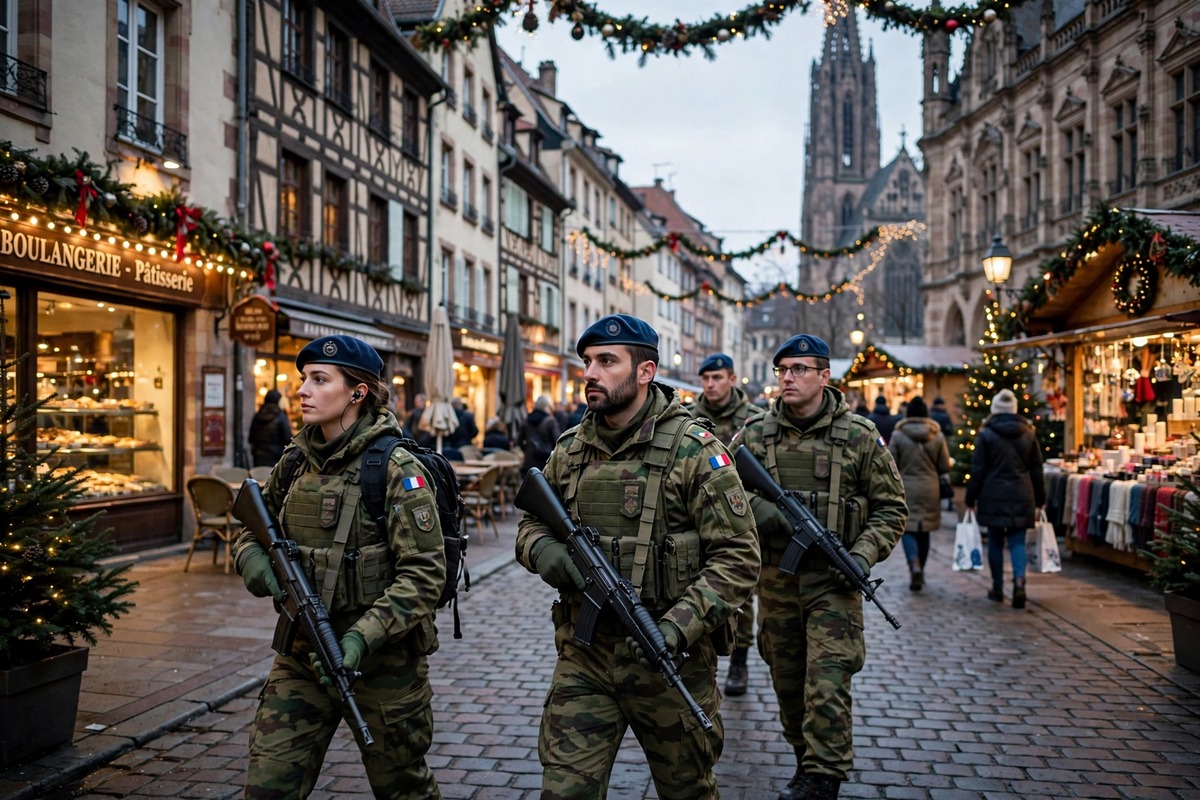
French soldiers will take over static guard duty so police and gendarmes can move onto the streets for Saturday’s expected protests, Interior Minister Laurent Nuñez told parliament on Tuesday. The troops come from Operation Sentinelle, France’s anti-terror deployment. Nuñez described a post-holding assignment, not a crowd-control mission. Prime Minister Sébastien Lecornu said the mobilization “will be massive” ahead of a major protest planned for October 24. Operation Sentinelle was launched in January 2015 and keeps about 10,000 soldiers across France. They normally guard places of worship, schools, tourist sites, railway stations, and airports. The force also covered the Paris 2024 Olympics and Paralympics. The basic plan is straightforward: soldiers stay at fixed sites while internal security forces gain more room to respond to moving groups. That distinction matters because the government is adding military manpower without saying troops will manage the crowds themselves.
⚠️🔴 À REGARDER JUSQU'À LA FIN
JE NE PEUX PAS DÉCRIRE CE QUE JE VIENS DE VIVRE À MARSEILLE.#17octobre pic.twitter.com/F8bLimtd7y
— confrontation française (@confrontfr) October 17, 2026
Officials Acknowledge a Failed Response
The move follows the government’s admission that it failed to contain last Saturday’s riots. Lecornu cited lapses in intelligence gathering, police positioned too rigidly, and a decision not to cancel planned police leave. He blamed far-left groups and described the crisis as a choice “between violence and the Republic.” Those groups said the government underestimated anger over living costs and declining public services. Nuñez told parliament, “I deeply regret what happened. I accept my share of responsibility.” He offered his resignation, but Macron rejected it. On Saturday, October 17, about 60,000 police and gendarmes were on duty nationwide while roughly 500,000 people marched against the cost of living. Authorities told Remix the crowd was 550,000, while organizers claimed more than 800,000. Nuñez said the security presence was too small for the rioters and looters at the edges of the marches, with police losing control in some cities and showing a “lack of anticipation.”
Damage Reached Cities and Businesses
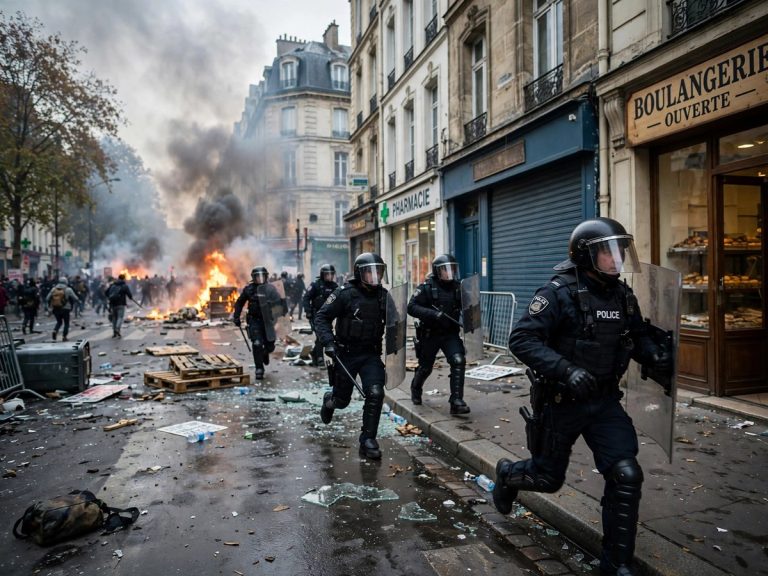
Riots and looting hit Paris, Marseille, Lyon, and other cities. In Limoges, an arson attack brought down the roof and tower of the historic town hall. The reported toll varies by agency: Euronews counted more than 2,500 arrests, Remix reported more than 2,400 detained, and Justice Minister Gérald Darmanin put the number in custody at over 2,330, with 70% of those adults. Almost 1,000 members of the security forces were injured. Alain Di Crescenzo, president of the chamber of commerce, said more than 2,000 shops were hit and estimated the damage at “hundreds of millions of euros.” Those figures describe a crisis that reached well beyond the march routes, leaving police, businesses, and public buildings dealing with the consequences of the unrest.
🇫🇷🔴 JUST IN: The entire roof of the Limoges City Hall has collapsed after an arson attack during ongoing riots in France.
Due to the catastrophic damage, this beautiful piece of European architecture is unlikely ever to be restored.
Follow: @RMXnews pic.twitter.com/AbqDbP3GIq
— Remix News & Views (@RMXnews) October 17, 2026
Curfews and Demonstration Rules Are Under Review
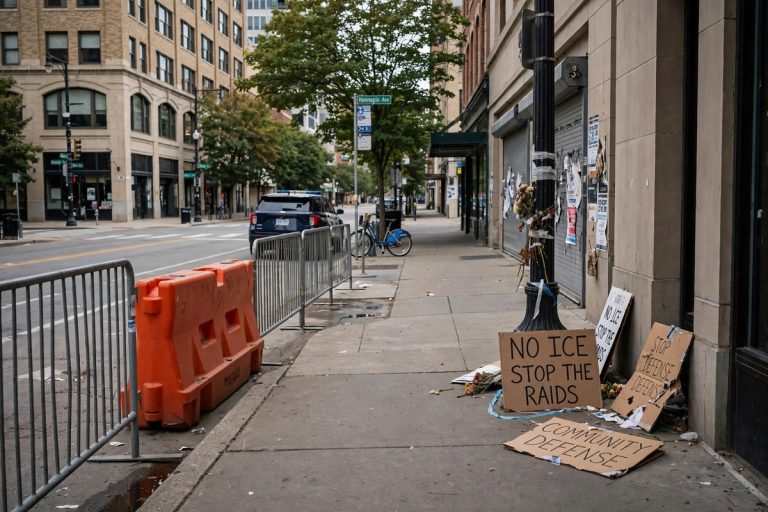
On Monday, Lecornu asked regional authorities for “localised and partial curfews.” Nearly 200 Paris police investigators were assigned to comb through footage to identify looters, and parliament is setting up a commission of inquiry into the causes of the unrest. Curfews beginning at 8 p.m. followed in northern cities. Nuñez is also considering a ban on demonstrations that have not been declared and could lead to public disorder. Declared marches could also be stopped if organizers or stewards give authorities reason to believe they may get out of hand. For marches judged low-risk, officials want routes kept away from public buildings and high streets. Intelligence services are expected to improve turnout estimates, especially for the most radical participants. Nuñez said security forces need more “responsiveness and mobility” against scattered, “extremely mobile” groups, and told parliament, “We will be there.”
Why It Matters
The immediate issue is whether moving soldiers into fixed posts will give police enough freedom to respond to fast-moving unrest. Officials are drawing a clear line between guarding important sites and controlling crowds. That line may help explain the plan, but it also shows how narrow the margin has become between protecting public places and managing a protest that can spread beyond its planned route.
Residents and business owners bear the direct cost when marches are followed by looting, arson, injuries, and damaged public buildings. Police and gendarmes face the operational burden, while soldiers are being asked to cover duties normally handled by internal security forces. At the same time, the anger cited by protest groups over living costs and declining public services remains part of the dispute. A security response may contain disorder without settling that argument.
The open questions are practical and political. Can better intelligence and more mobile policing prevent another loss of control? Will curfews, footage reviews, and demonstration limits be focused tools or become a wider way to restrict public protest? The government has acknowledged failures and rejected a minister’s resignation, but an admission is only the first step. The larger test is whether officials can protect streets and businesses while preserving a clear boundary between public safety and the right to demonstrate.
Source: The Liberty Daily