A National Replay That Never Arrived
As summer moved toward its final days, the main question was not whether Minneapolis saw protests. It did. The question was why early-year anti-ICE protests and riots there failed to become a sustained national wave like the Black Lives Matter riots of 2020. The demonstrations looked like a possible flashpoint, and the source describes the possibility of a repeat of the so-called “Summer of Love” and a broader Marxist revolution. Yet protests did not spread through other cities in the way the article expected. That quiet is the starting point for its theory: federal pressure on the nonprofit and activist networks behind the unrest may have changed the calculation.
Minneapolis Became the Flashpoint
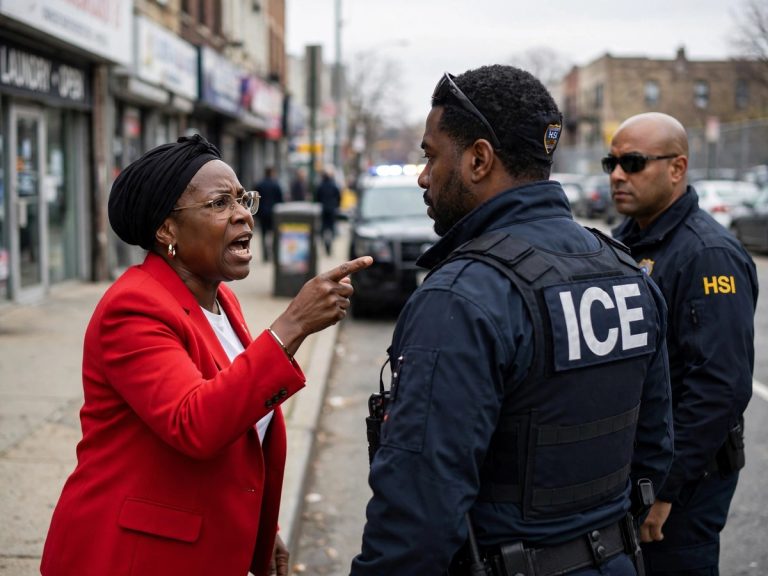
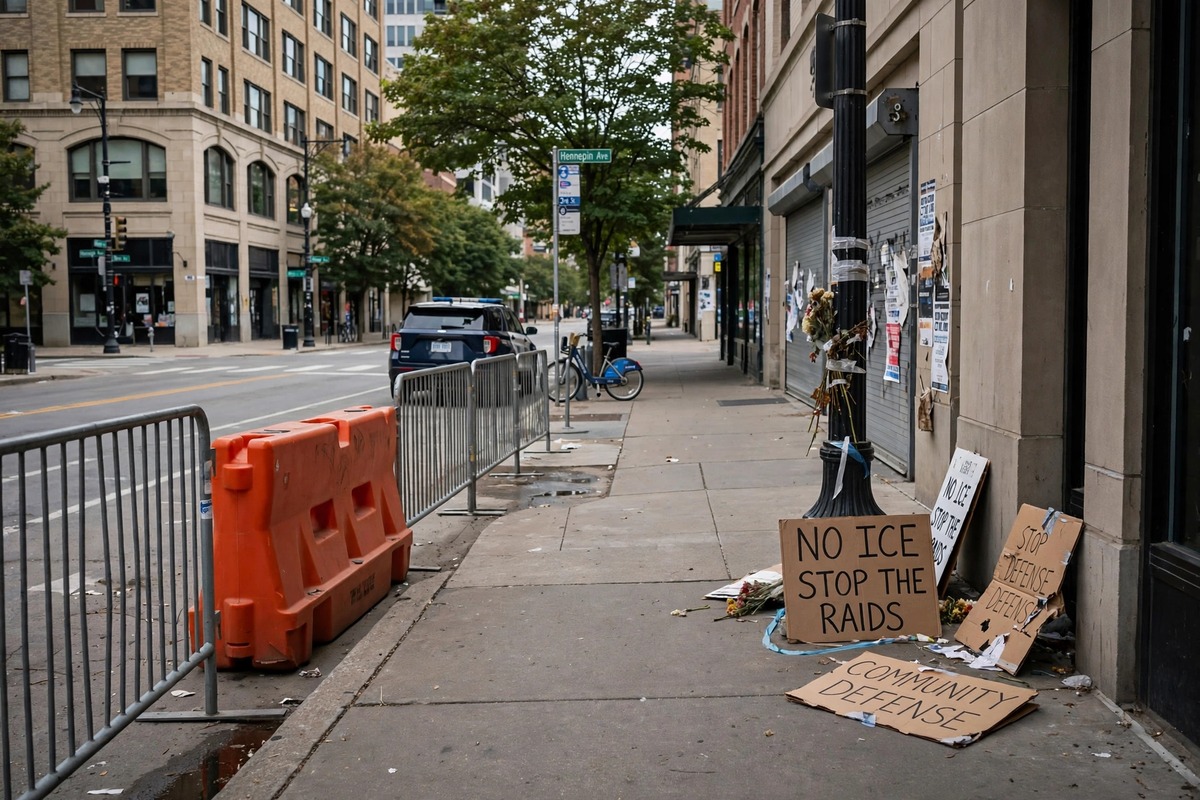
The account begins with Operation Metro Surge, which deployed thousands of ICE, CBP, and federal officers to the Twin Cities starting in late 2025. It says left-wing groups then used activists to pressure federal officers pursuing people the article describes as illegal-alien criminals. The account says that confrontation resulted in the fatal shootings of two U.S. citizens, Renee Nicole Macklin Good on January seventh and Alex Pretti on January twenty-fourth. Protests and riots followed, and protest infrastructure moved into the region. The source presents those deaths as a possible catalyst for a much larger mobilization, while acknowledging that the expected national expansion did not last into the spring and summer.
The Momentum Faded
By spring and into summer, the source says the movement’s spark had faded. Even Neville Roy Singham, described as a Shanghai-based Marxist tech financier who funds U.S. NGOs and works with CodePink and the ANSWER Coalition, could not generate meaningful protests over President Trump’s foreign-policy decisions affecting Beijing. The article specifically points to Venezuela, Cuba, and the Strait of Hormuz. Its broader point is that neither the Minneapolis confrontation nor those foreign-policy disputes produced the sustained national mobilization presented as possible earlier in the story. That does not mean every protest disappeared. It means the wave described in the article failed to catch.
Federal Scrutiny Puts Nonprofits on Notice
At the same time, a multi-agency federal task force, with the State Department and Treasury at its core, has launched investigations into the nonprofit world. The source says the government could soon seek to strip tax-exempt status from George Soros’s Open Society Foundations, the Southern Poverty Law Center, and the Council on American-Islamic Relations. It connects some of those organizations to funding protests and riots, and says the SPLC funds opposition. Those are allegations presented by the source, not findings established in this account. The New York Post recently reported that Treasury officials were drafting a framework to audit NGOs suspected of using Section 501(c)(3) status for political activity, illegal conduct, or support for radical groups. That possibility has put left-wing foundations and donor-advised funds on notice, according to the article.
The Open Question Is Whether Pressure Changed the Math
The source asks whether the federal government’s campaign against the radical left and what it calls a foreign-subversion network has shaken the protest-industrial complex. An unnamed source told the New York Post that officials were “like a dog with a bone” and believed many NGOs and their donor bases could be “on borrowed time.” The article also raises the loss of USAID funding as another possible reason for the quiet summer. At the same time, it warns that the organizations involved may be retooling their connections to popular movements. In that telling, the absence of riots is not a declaration of victory. It is a pause that may reveal whether funding pressure has weakened the network or merely pushed it out of sight.
Why It Matters
This matters because the story is not only about whether streets stayed calm. It is about whether protest energy depends on money, nonprofit status, organized networks, and a ready-made political trigger. If federal scrutiny has disrupted those supports, activists, donors, nonprofit leaders, federal officers, and residents in cities affected by enforcement all face a changed environment. If it has not, the quiet period may simply show that the movement is waiting for a more useful moment. The absence of a nationwide riot wave is therefore evidence to examine, not proof that the underlying conflict has disappeared.
The larger issue is how much can be learned from silence. A calmer season could reflect reduced funding, pressure from investigators, shifting priorities, or groups adjusting outside public view. The source raises each possibility without settling it. Open questions include what the federal inquiries will find, whether any organization actually loses tax-exempt status, and whether protest networks reappear when another confrontation captures attention. Those questions affect lawful protesters as well as officers, nonprofit groups, donors, and residents who bear the cost of disorder. They also test whether government oversight can target illegal conduct without turning every political dispute into a funding battle.
Source: The Liberty Daily