Pacifica’s Landmark Pier Gives Way
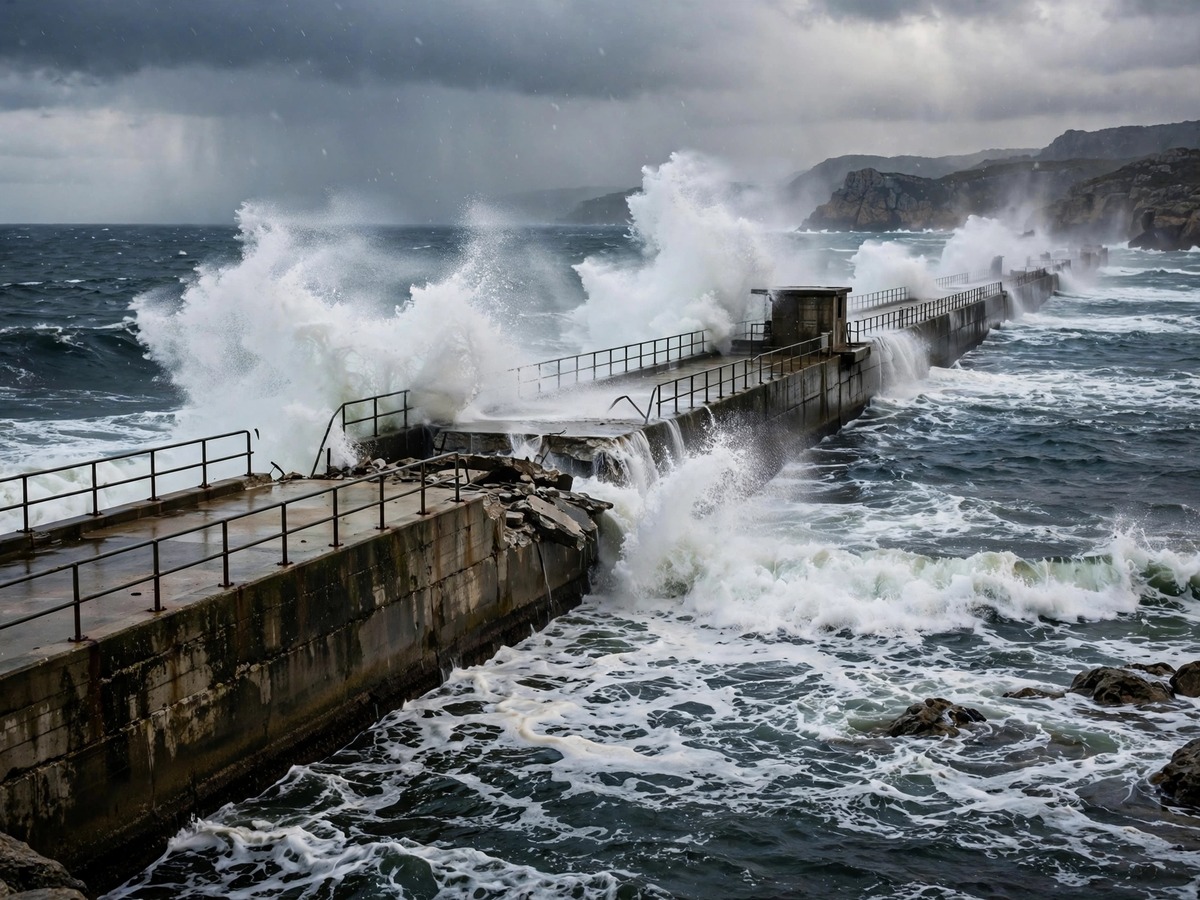
Part of California’s landmark Pacifica Municipal Pier collapsed into the ocean Wednesday as powerful waves slammed into the coast. The failed section was the pier’s outer arm, and no injuries were reported. Video showed a massive wave tearing down part of the structure before sending it into the water. Coastal infrastructure, it turns out, does not get a vote when the surf arrives. The L-shaped pier is 1,140 feet long, or 350 meters, and had already been closed during the summer after officials found cracks in its structure. That closure meant the pier was not open when the section fell, but the collapse now raises clear questions about what remains of the landmark and whether it can be repaired.
Warnings Stretch Beyond the Pier
King tides, powerful swells, and El Niño conditions have battered California’s coast this year. Coastal cities have experienced flooding as ocean water poured over seawalls. In Pacifica, beachfront homes south of San Francisco began flooding as the year’s highest tides arrived. Farther north, Marin County officials issued an evacuation warning for residents of beachfront properties in Stinson Beach. Large waves were expected to send water and debris onto roads and into homes. The warning was lifted later Wednesday, but authorities still advised people to stay away from the beach while large waves continued to pound the area. The National Weather Service issued a coastal flood warning for the Pacific Coast and bay shorelines along San Francisco Bay and San Pablo Bay through four p.m. Wednesday. It also issued a high surf warning for the Bay Area. Breaking waves of twenty to thirty feet, about two to three stories high, could overpower swimmers and sweep people into the ocean. The beach is not a great place to test whether a warning was merely being dramatic.
Why It Matters
The damaged pier matters because it makes an abstract coastal threat visible. Residents, homeowners, beachgoers, and local officials are dealing with the same force from different angles: property risk, public access, and emergency decisions. The pier had already been closed after cracks were found, so its collapse also shows why inspections and closures are more than paperwork. Nature, unlike a committee, does not wait for the next meeting before enforcing a safety policy.
The wider concern is how communities manage pressure on public structures and private homes at the same time. Flooding, debris, and dangerous surf can disrupt daily life even when no one is hurt, and warnings only work if people take them seriously. Officials still face open questions about the pier’s future, the condition of nearby coastal infrastructure, and how residents should prepare when high water returns. The story reaches beyond one broken landmark: it tests the limits of planning, maintenance, and public patience along a coast that cannot be negotiated with.
Source: The Gateway Pundit