Kennedy Answers the Charge
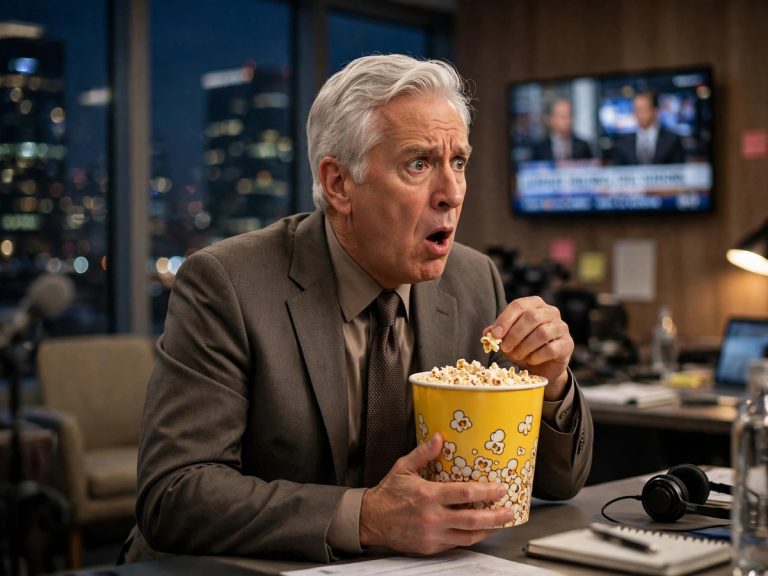
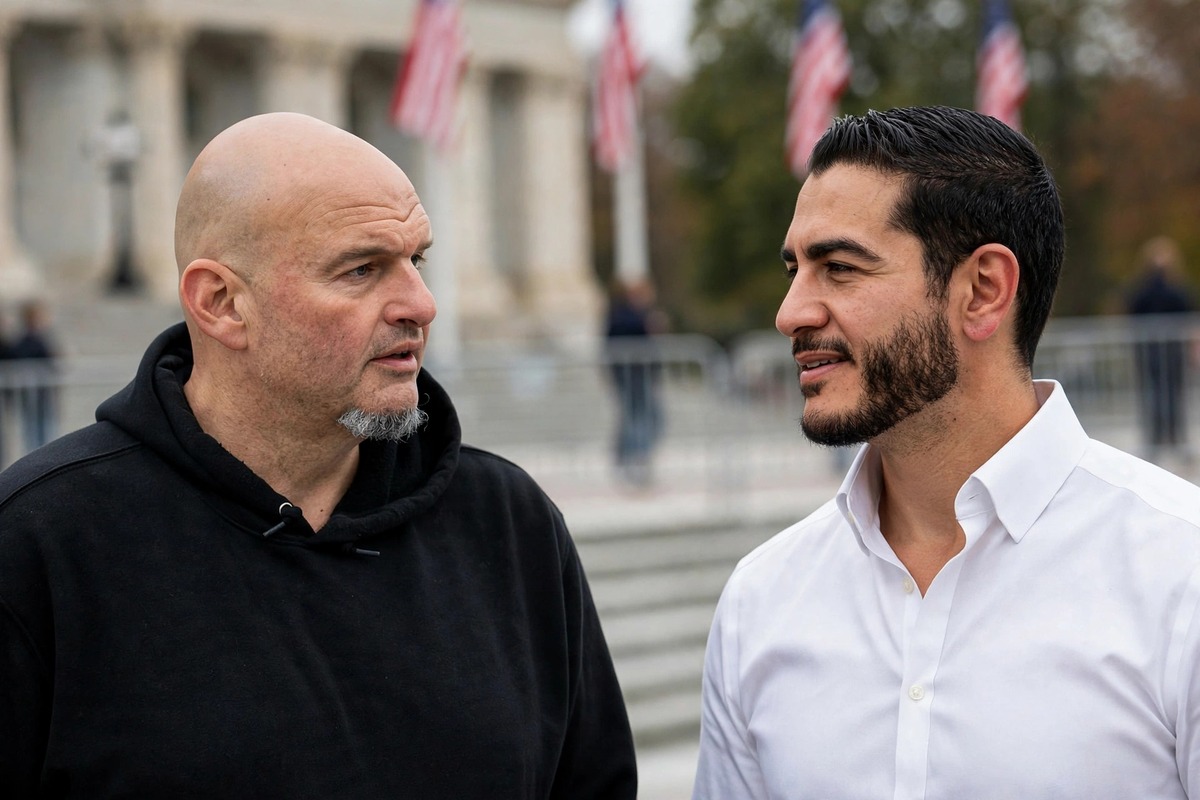
Senator John Kennedy (R-LA) responded to Abdul El-Sayed’s accusation while appearing on Fox News with Kellyanne Conway. Kennedy said he did not hate anyone and wanted to work with the Michigan senator-elect. Then he added the line that made the exchange travel: “I believe in free speech. How else would we know who the idiots are?” Kennedy also said he usually does not worry about what people think of him, except dogs. It was a familiar Kennedy performance: a serious denial, a policy pivot, and a punchline aimed at the political class. Whether it advances the conversation is another question, but it certainly gives social media something to chew on.
The Jab Behind the Jab
The accusation followed Kennedy’s criticism of El-Sayed’s healthcare-for-all proposal. Kennedy said calling it “free kittens for all” would not fix its problems because the math still did not work. El-Sayed responded by pointing out that Kennedy spelled his name with three Ks, an apparent attempt to connect the senator to the KKK. That exchange moved the debate from the cost and design of healthcare policy into the familiar swamp of motive, labels, and insinuation. Kennedy said El-Sayed was entitled to his opinion and could say what he wanted. He then returned to the plan, apparently hoping that a sharp joke would keep the policy argument from getting buried under the accusation.
The Healthcare Argument
Kennedy’s central objection was to Medicare for All, which he identified as Bernie Sanders’ program. He argued that the proposal would eliminate Medicare, Medicaid, the Obamacare exchanges, and private insurance. He also said about 200 million Americans get their insurance through an employer and would have to give it up under the plan. Kennedy said the replacement would be a new government program offering free healthcare, but that the cost would be $3.5 trillion a year. He stressed that the figure was trillion, not billion. Conway’s response was blunt and obvious: a plan sold as affordable still has to explain how its price is covered. Kennedy’s argument is a political position, not a neutral budget score, but it puts the funding question at the center where slogans would prefer it stay offstage.
Comedy, Conflict, and the Cost Question
The political theater is easy to see. One senator uses a racism accusation; the other answers with jokes about idiots, dogs, and a proposal’s price tag. That may be entertaining, but it also creates a convenient escape hatch for everyone involved. Supporters can treat the exchange as proof that their side is fearless, while opponents can focus on the insult and avoid the healthcare details. The account gives Kennedy’s response and El-Sayed’s name-based jab, but it does not settle whether the proposed coverage changes or the cited cost would work as described. Those questions require more than a viral clip and a serious explanation of the numbers.
🔥🚨 LOL — Sen. John Kennedy didn't even blink when Michigan Senator-elect Abdul El-Sayed called him a racist.
KENNEDY: “I believe in free speech. How else will we know who the idiots are?”
“I try not to worry too much, Kellyanne, about what anyone thinks about me. Except…
— The Patriot Oasis™ (@ThePatriotOasis) November 24, 2026
Why It Matters
This exchange matters because political debate is happening on two tracks at once: policy and personal accusation. El-Sayed’s charge shifts attention away from the details of health coverage, while Kennedy’s answer shifts it back, though with plenty of sarcasm. Voters are left to judge both the tone and the substance. The people most affected are those trying to understand what a government healthcare proposal would mean for existing coverage, public programs, and employer plans.
The larger question is whether labels can replace arithmetic. Kennedy argues that the proposal would eliminate familiar forms of coverage and require a new government program, while El-Sayed’s response shows how quickly a policy dispute can become a fight over motives. The open questions are straightforward: How would the plan be funded, what would happen to current coverage, and can either side debate those issues without turning every disagreement into a character trial? That is the real test, and a television-ready insult does not answer it.
Source: The Gateway Pundit