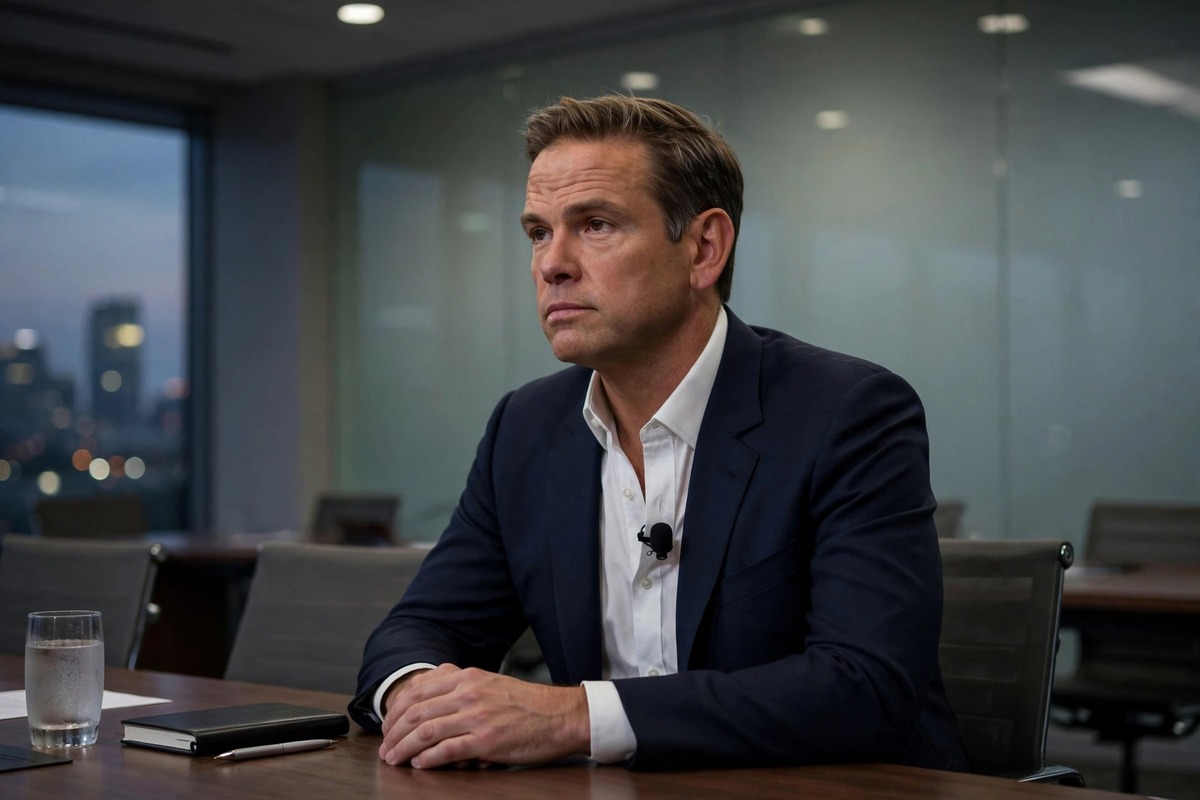
Fox Acknowledges the Drop
Fox Corporation is no longer hiding a serious ratings problem at its flagship news network. During a quarterly earnings call, CEO Lachlan Murdoch told investors and analysts that year-over-year ratings were down. The Washington Post reported that Murdoch blamed some of the decline on “viewer fatigue” from coverage this year. He also said those viewers were not moving to another news channel. They were not switching to MS NOW or CNN. That makes this different from a simple ratings fight between cable networks. Fox is describing viewers who may be watching less television altogether rather than choosing a different cable-news home. Even a loyal audience still has a remote control, a fact television executives eventually rediscover.
Fox Still Leads, but the Gap Is Narrower
Fox remains ahead of its cable competitors by raw prime-time audience. It drew 1.7 million viewers during the week of Oct. 19, while MS NOW and CNN stayed in the hundreds of thousands, according to figures cited by the Washington Post. Yet Fox’s prime-time audience was down 23 percent from a year earlier. During that same period, MS NOW and CNN each saw ratings grow about 30 percent, based on recent Nielsen data published Oct. 30. This is not a story about Fox being overtaken overnight. It is a story about a market leader losing viewers while smaller competitors gain ground. The scoreboard still favors Fox, but it is becoming less flattering.
Economic Frustration Hits the Political Message
Fox is widely regarded as the main news platform for the GOP and the Trump administration. The source says that role is becoming more complicated as Americans sour on the president, whose approval ratings were in the 30s heading into the 2026 midterms. Fox coverage may sometimes appear out of step with everyday experiences. That tension showed up during a July interview involving then-White House press secretary Karoline Leavitt and Fox prime-time host Jesse Watters. Watters asked whether Gen Z was lazy for not voting Republican. Leavitt responded that Gen Z had been raised with silver spoons and was used to getting everything handed to them. She urged young people to pull themselves up by their bootstraps and defended meritocracy and hard work as core American values. The comments appeared to make light of the economic hardships many young Americans face.
Young Critics Push Back
Other members of Gen Z criticized Leavitt’s remarks on the network. Nalin Haley, the son of former U.S. Ambassador to the United Nations Nikki Haley, posted on X the next day that calling an entire generation lazy was easier than addressing the real problems of cost of living, housing, and employment. He said those problems remain difficult even for people who work hard, save money, and hold good jobs. Haley also argued that Democrats and Republicans had failed to address the issue properly and were both controlled by elites and corporate interests. He said the party that listens to everyday Americans first will be the party of the future, and described the America he lives in as “unrecognizable.” His criticism fits the larger ratings question: if viewers are not moving to a rival channel, they may be stepping away because familiar arguments no longer match daily life.
Ironically, calling an entire generation lazy instead of addressing real problems with cost of living, housing, and employment…IS LAZY. It’s tough even for people that work hard, save, and have good jobs.
The goal of every generation is to leave it better than you found it.… https://t.co/xH6BzlPdmt
— Nalin Haley (@Nalin_Haley) July 3, 2026
The Pressure Is Wider Than Gen Z
The economic stress described in the source is not limited to younger voters. A September report in Fortune found that Gen Z may earn larger salaries than their parents or grandparents did at the same age, yet inflation, high living costs, and the housing affordability crisis have created severe economic uncertainty. A Fortune report published Nov. 1 said more than 70 percent of Generation X feared running out of money to support their families more than death. Nearly 90 percent of voters were concerned about the cost of gas, food, utilities, and healthcare. Those details explain why a lecture about bootstraps can sound tone-deaf. When people feel squeezed by basic expenses, they may not welcome a political answer that treats hardship as a personal failing. Fox’s challenge is not simply to keep its lead over CNN and MS NOW. It must decide whether its coverage reflects what potential viewers say they are living through.
Why It Matters
Fox still has the largest audience in the comparison described here, but its lead does not erase the warning. A network can remain number one while losing the confidence or attention that made its position valuable. The more important question is not whether a rival channel wins the viewers. It is whether people feel that cable news is helping them understand their lives at all. If the answer is no, “viewer fatigue” becomes a polite corporate label for a deeper problem.
The stakes reach beyond Fox’s executives. Conservative viewers, younger voters, and families dealing with higher everyday costs are all part of the audience dispute. Political campaigns also have an interest in whether economic frustration is treated as a real concern or brushed aside as a character flaw. The source describes a gap between familiar political messaging and the pressures people say they face. That gap can weaken trust even when a network still leads its direct competitors.
The open question is whether Fox responds by listening more closely to those frustrations or by defending the same style of coverage. Murdoch’s explanation suggests the missing viewers are not waiting at CNN or MS NOW. That leaves no easy rival to blame. The network must decide whether its audience wants more partisan certainty, more attention to daily costs, or both. The ratings will show whether that choice connects.
Source: The Liberty Daily