A 6-3 Ruling Keeps DHS Moving
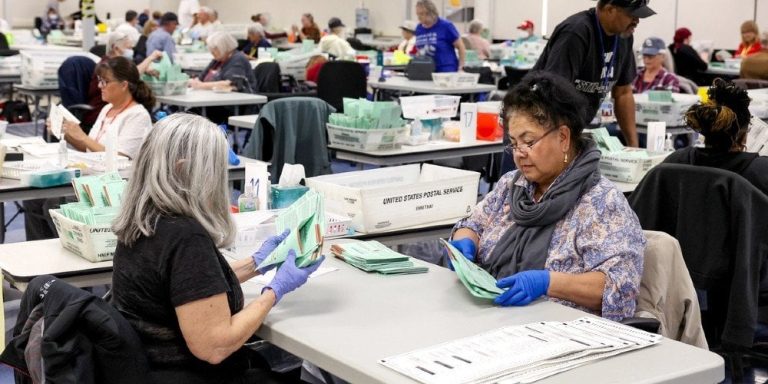
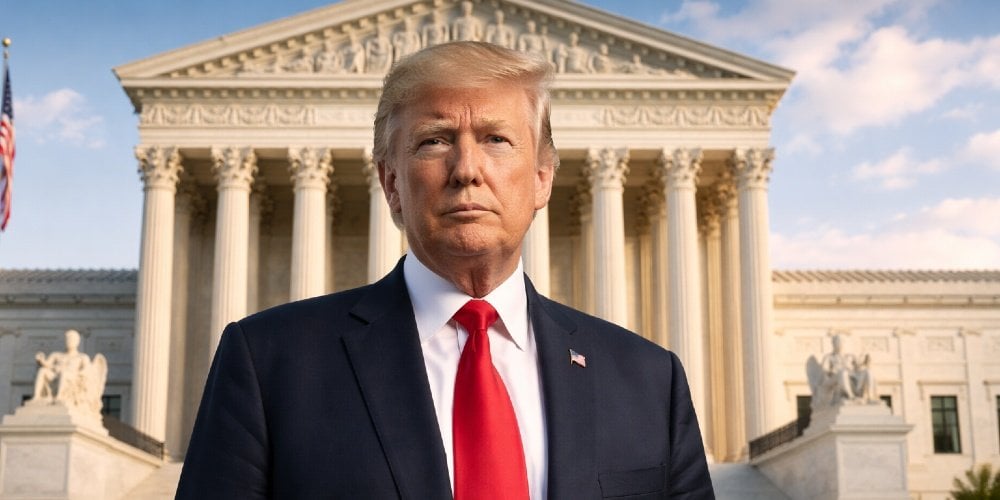
The Supreme Court on Friday allowed the Department of Homeland Security to continue its citizenship verification program in a 6-3 shadow docket ruling. The case, DHS v. League of Women Voters, gave the Trump administration room to expand a process that lets states use Social Security records and other information to check voters’ citizenship status. The ruling is a clear win for the administration’s effort to enforce the federal ban on noncitizen voting. It also keeps the fight focused where government disputes often end up: inside databases, legal language, and enough paperwork to make a filing cabinet nervous.
The Records at the Center
The court’s majority held that a 1996 federal law banning noncitizen voting likely authorizes DHS to obtain citizenship information from other agencies, including state agencies. The opinion said Congress’s language prevents interference with the disclosure of citizenship information to DHS, notwithstanding other federal, state, or local law. The majority wrote that Congress ‘necessarily authorized DHS to request and receive that information.’ In practical terms, the decision allows the citizenship verification program to keep using government records as states review voter information. The ruling did not depend on a flashy press conference or a new slogan. It rested on what the justices believed Congress already authorized.
Why the League of Women Voters Objected
The plaintiffs, led by the League of Women Voters, argued that the program could violate privacy rights. They also challenged the reliability of the SAVE database, short for Systematic Alien Verification for Entitlements. According to the plaintiffs, using that database to check voter citizenship could risk removing eligible voters from the rolls. That puts the dispute on familiar ground: one side emphasizes stronger verification, while the other warns that government systems can make mistakes with real consequences. The database may have a formal name, but the argument is simple enough. Supporters want more access to records, and opponents want more safeguards before those records affect voters.
Three Justices Dissented
Justices Sonia Sotomayor, Elena Kagan, and Ketanji Brown Jackson dissented. The six-member majority took the view that the 1996 law likely gives DHS the authority to seek citizenship information from other government agencies. The dissenting justices did not join that position. The result leaves the Trump administration’s program in place and permits its expansion while the arguments over privacy, database reliability, and eligible voters continue. For now, DHS has the court’s permission to keep pursuing the records-based verification effort that prompted the lawsuit.
WE’D LOVE TO HEAR YOUR THOUGHTS! PLEASE COMMENT BELOW.