Death at an anti-plague institute
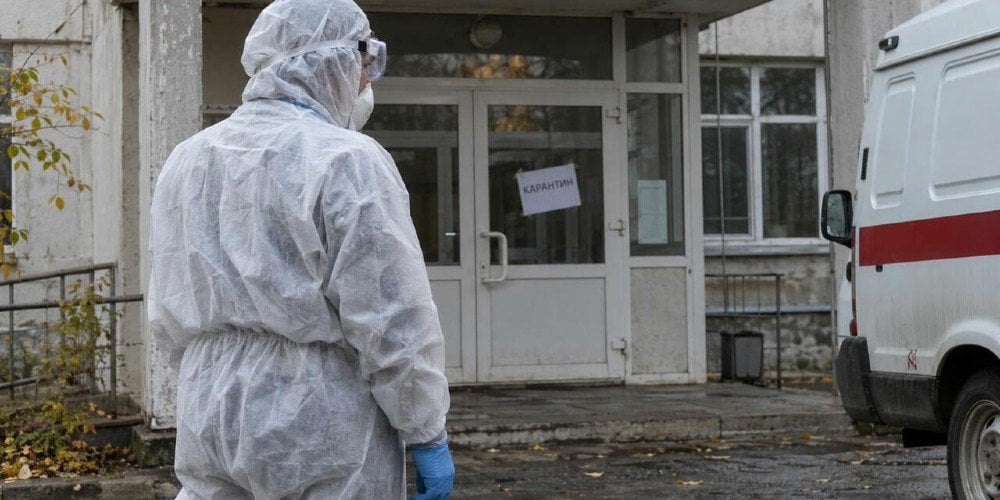
A possible plague case in Siberia triggered a major containment effort after the death of Daria Shipilova, a 28-year-old laboratory assistant at the Irkutsk Anti-Plague Research Institute of Siberia and the Far East. She was admitted to a hospital in Shelekhov with severe pneumonia, placed on a ventilator, and later died. Reports differ on the timeline. The Moscow Times reported that she entered the hospital on September 29 and died about 48 hours later, while Lyudi Baikala said she spent three days there. The hospital’s inpatient department was placed under quarantine, while its outpatient clinic remained open. Russia’s chief sanitary official, Anna Popova, also traveled to the region as officials worked to contain what Governor Igor Kobzev called a “particularly dangerous infection.”
What the reports say about a laboratory accident
The most serious account came from reports that Shipilova told medical staff she had accidentally broken a tube containing live bacteria while collecting samples. The Moscow Times carried that account, while Lyudi Baikala, citing journalist Pavel Stepanov and the Telegram channel Mash, placed the alleged accident on September 25 and linked it to plague bacteria. Those reports described the illness as pneumonic plague. However, neither that diagnosis nor the alleged laboratory accident had been publicly confirmed by investigators. IRK.ru reported that doctors initially suspected severe COVID and sent Shipilova to the hospital’s COVID center. The difference between a reported exposure, a suspected illness, and a confirmed finding remains important in a case where official statements have not settled the central questions.
Reports of FSB-escorted ambulances
By the evening of October 1, security and administrative officials were meeting in Irkutsk. Lyudi Baikala, citing a source close to law enforcement, reported that FSB units had begun accompanying ambulances carrying Shipilova’s contacts for examination. The Insider carried the same account, and residents reported seeing people in protective suits, masks, and gloves on the streets. The FSB has not confirmed the reported escorts. Shelekhov district head Maxim Modin did confirm that the hospital’s inpatient department was under quarantine. The reported security presence has drawn attention because it suggests officials were treating the incident as unusually serious, even as the public diagnosis remained unsettled.
“There is a possibility that the number of people the young woman [lab worker] came into contact with reached into the three digits,” Irkutsk journalist Pavel Stepanov said*, and that residents have already noticed people on the streets wearing protective suits, masks and gloves.…
— Annie Jacobsen (@AnnieJacobsen) October 2, 2026
Nearly 200 people under observation
REN TV and Izvestia put the number of people being monitored at roughly 197. Of that group, 189 were reportedly hospitalized for observation: 114 at one facility, 63 at another, and 12 at the anti-plague institute. Eight others remained outside hospitals, while some accounts said the list was still growing. No secondary infection had been confirmed. Kobzev said on October 2 that the identified contacts had no symptoms and were testing negative. Other media reports claimed that several people under observation had developed symptoms, creating another gap between official statements and media accounts. The governor’s statement did not identify the disease, even while describing the suspected infection as particularly dangerous.
Officials use different language
The sanitary-epidemiological commission met in Irkutsk on October 2, and Popova attended as head of Rospotrebnadzor, the federal agency responsible for Russia’s disease surveillance system and its anti-plague institutes. Kobzev told TASS that it was too early to identify the disease and did not mention Shipilova’s death in that statement. Irkutsk also postponed a city cleanup day scheduled for October 3. In nearby Buryatia, regional leader Alexey Tsydenov referred to the woman as having died of plague and said she had not visited his republic. Citing Rospotrebnadzor and the regional government, he also said Buryatia had no plague foci, including along the Mongolian border.
WE’D LOVE TO HEAR YOUR THOUGHTS! PLEASE COMMENT BELOW.