What Happened at Davos
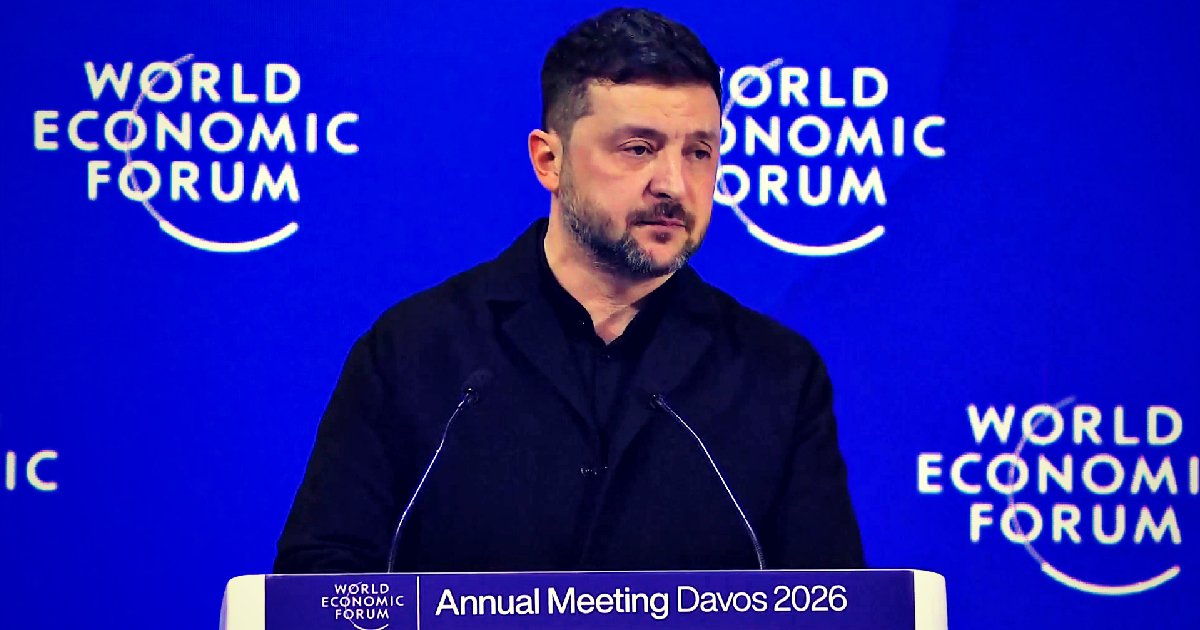
Volodymyr Zelensky went to Davos and accused European leaders, including Belgium, of letting Vladimir Putin decide how frozen Russian assets are used. He framed legal hesitation as betrayal and called for faster action. Europe has already committed billions to help Ukraine, and Zelensky treated those contributions as a down payment on unconditional obedience. The speech read less like diplomacy and more like a demand to rewrite rules on the spot so cash can move faster.
Europe’s Legal Alarm Bells
There is a reason governments blink at seizing central bank assets. Treaties and sovereign immunity exist to prevent a slippery slope where anyone can grab another country’s money when politics get heated. Belgium’s leaders warned that confiscating roughly €200 billion without clear legal backing could trigger huge legal claims and retaliation. That would not just be an accounting problem. It could make small states pay dearly for a fast political headline.
Why This Looks Like Blackmail
Public shaming is a neat tactic when you want to speed up a decision that should be debated. Call hesitation treason, and the pressure becomes moral rather than legal. That turns allies into targets of guilt. It also makes hard choices into tests of loyalty. When one side uses outrage to short circuit process, the result is less cohesion and more resentment among taxpayers anywhere who fund those policies.
Allies Are Not Cash Machines
European governments answer to voters and budgets, not to an outside audience of fundraisers. Support for Ukraine is a strategic choice, and it deserves public debate, oversight, and legal cover. Asking citizens to accept emergency measures without explanation erodes trust. Democracies survive by balancing urgency with rules, not by treating debate as disloyalty. That is how durable alliances are built, not by converting dissent into evidence of enemy influence.
What Europe Should Remember
Wanting to help a nation under attack is noble. Ignoring the legal system and storming past parliaments is not. Europe can increase support while keeping its own laws intact. That means clearer legal paths for asset use, better communication with taxpayers, and a steady plan to rearm and reduce dependency. Rule of law and sober strategy are not romantic slogans. They are the scaffolding that keeps aid sustainable.
WE’D LOVE TO HEAR YOUR THOUGHTS! PLEASE COMMENT BELOW.