Bridge drama and a presidential threat
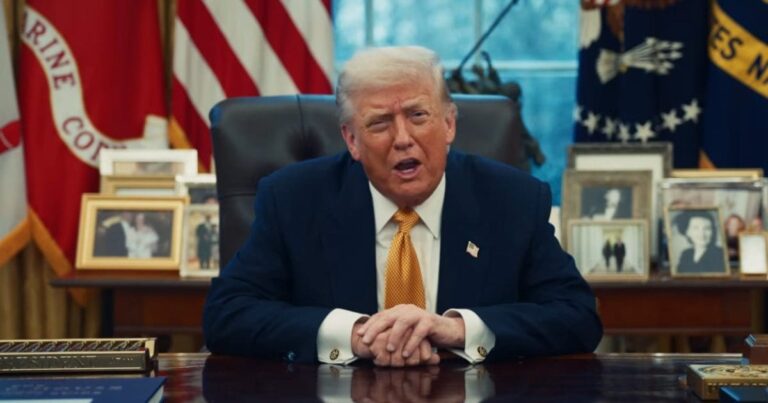
President Trump announced he will block the opening of the Gordie Howe International Bridge unless Canada changes its trade and border practices. The bridge links Detroit and Windsor and was built largely by Canadian firms. Mr. Trump posted claims about an Obama-era waiver of Buy American rules and about Canada excluding U.S. spirits from store shelves. He also warned that closer Canadian ties with China would harm both countries. Those statements set off a predictable back-and-forth between Washington and Ottawa, and some blunt language from business groups that call blocking or bottlenecking trade self-defeating.
What the president can and cannot do
Washington does have practical powers at the border. The U.S. can limit crossings and close ports of entry on its side. That is different from owning or controlling the bridge itself. The bridge is a cross-border asset with operations that involve private contractors and binational agreements. So a presidential threat to “block the bridge” most likely means tighter controls at the U.S. port of entry or new inspections, not physically seizing the Canadian-built structure. Expect lawyers and customs officials to get involved if the rhetoric becomes policy.
The trade gripes are not new
Trade complaints drive much of this drama. U.S. farmers have long objected to Canadian dairy protections and tariffs that limit American access. There are also disputes over steel, procurement rules, and market access for many products. Politicians love to translate technical trade rules into simple slogans. That is useful for headlines, less useful for fixing rules that require negotiation, reciprocity, and enforcement steps on both sides.
China alarms, and the temptation to overstate risk
Mr. Trump warned that Canada courting China would be disastrous, with a flourish about hockey and the Stanley Cup that read like satire. Concern over foreign influence on critical infrastructure and supply chains is valid. At the same time, dramatic claims threaten to turn a real policy discussion into a metaphoric firefight. Worries about influence are better addressed with clear rules, investment reviews, and allied coordination, not theatrical predictions that China will “eat Canada alive.”
Where negotiations and economic reality collide
The president proposed that the United States deserves ownership or large compensation because U.S. markets will benefit from the bridge. Canada and business leaders see immediate economic harm if crossings are impeded. Past leaders on both sides have supported the bridge as an economic link. If Washington pursues tariffs or closure of a port of entry, it will be a high-stakes bargaining move that risks real losses for border communities and supply chains while negotiations are underway.
WE’D LOVE TO HEAR YOUR THOUGHTS! PLEASE COMMENT BELOW.