What the president demanded
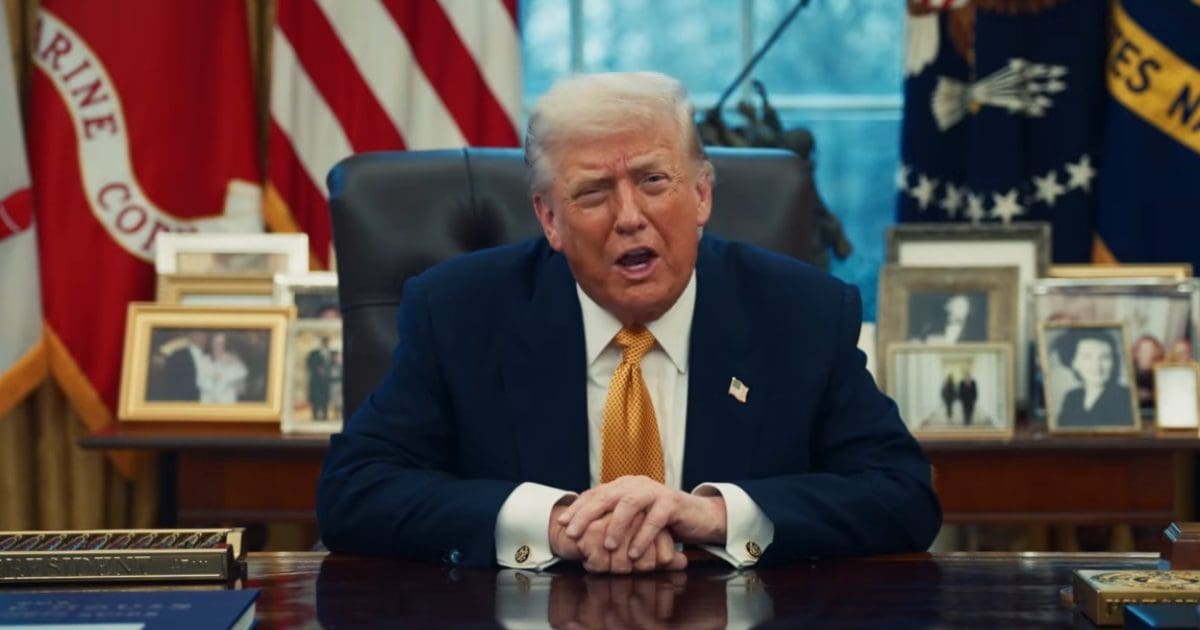
President Trump made a direct public call for Democratic governors and mayors to work with federal authorities. He listed four specific orders: hand over people the feds consider criminal noncitizens, turn over local arrests of undocumented people, let local police help federal agents detain wanted migrants, and partner with Washington to remove criminal noncitizens quickly. He also asked Congress to pass a law to end sanctuary city policies. The message was blunt and aimed at state and city leaders who have resisted federal immigration operations. The statement framed cooperation as a matter of public safety and contrasted it with places the administration says are already working smoothly with federal agents.
The incident that set this off
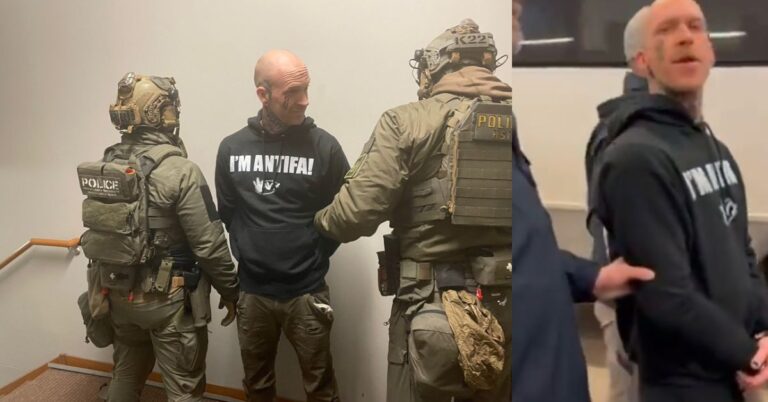
The immediate spark was a fatal encounter between a Border Patrol agent and a man that federal officials say involved a struggle and a weapon. That event touched off large protests in Minneapolis that included clashes with federal officers, fires, and an area where police pulled back while protesters stayed. Local leaders and law enforcement gave competing accounts at times, and social media spread graphic video that fed the unrest. The administration used the episode to argue that local resistance to federal immigration enforcement has public safety costs.
Federal forces and the Insurrection Act
The White House put roughly 1,500 active-duty soldiers on standby and mobilized the state National Guard in Minneapolis. Officials said the administration was considering the Insurrection Act, which would allow federal troops to support domestic law enforcement. That is a visible escalation. Using active-duty troops inside U.S. cities raises legal and political questions and often triggers resistance from state and local leaders who worry about civil liberties and mission creep.
Sanctuary cities under fire
Ending sanctuary city policies was a central demand. The administration argued sanctuary rules block cooperation with federal immigration agents and lead to dangerous outcomes. Sanctuary policies vary, but they generally limit or condition when local jails turn people over to immigration officials. Critics of sanctuary rules say the policies obstruct law enforcement. Supporters of sanctuary rules say they protect community trust and limit racial profiling. The debate is as much about policing strategy as it is about immigration law.
Numbers and the administration’s claims
The statement highlighted a figure the administration provided for arrests in five Republican-led states, saying ICE arrested 150,245 criminal noncitizens there in the past year. The White House used that number to argue cooperation works without protests. Those numbers come from federal sources and are framed to show a contrast with Democratic-run areas. Independent verification and context matter here because counting methods, definitions of criminality, and local reporting practices differ from place to place.
Legal and practical roadblocks to fast fixes
Turning over people from state prisons and jails to federal custody is not as simple as handing over a set of keys. Local authorities must follow state law, court orders, and constitutional protections. Some local officials say they need probable cause or a warrant before they will surrender someone. There are also questions about changes to detention capacity, transportation, and who pays for the added costs. Court challenges and civil rights lawsuits often follow major shifts in who enforces immigration rules, and those delays can blunt any rush to rapid deportations.
Politics, messaging, and letting bureaucracy lead
This episode is political theater as much as it is policy. The president framed the issue to put pressure on Democratic officials and to rally supporters who favor tougher immigration enforcement. Local officials are framing their choices around public safety, legal limits, and community trust. Meanwhile, agencies and courts will likely set the pace. The result is a predictable tug of war where headlines move fast but real change depends on lawyers, budgets, and intergovernmental agreements that move much slower than presidential statements.
WE’D LOVE TO HEAR YOUR THOUGHTS! PLEASE COMMENT BELOW.