What the president announced
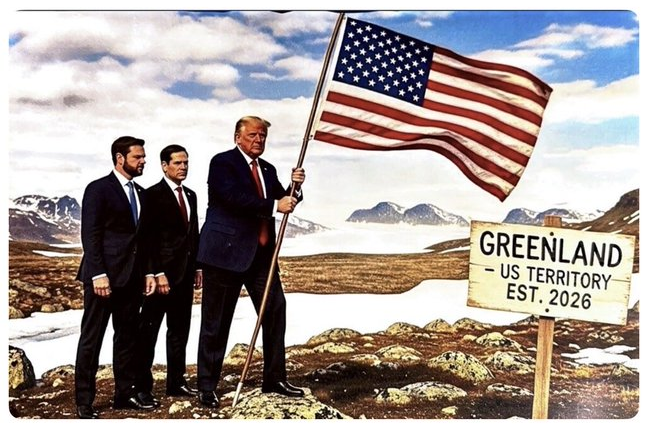
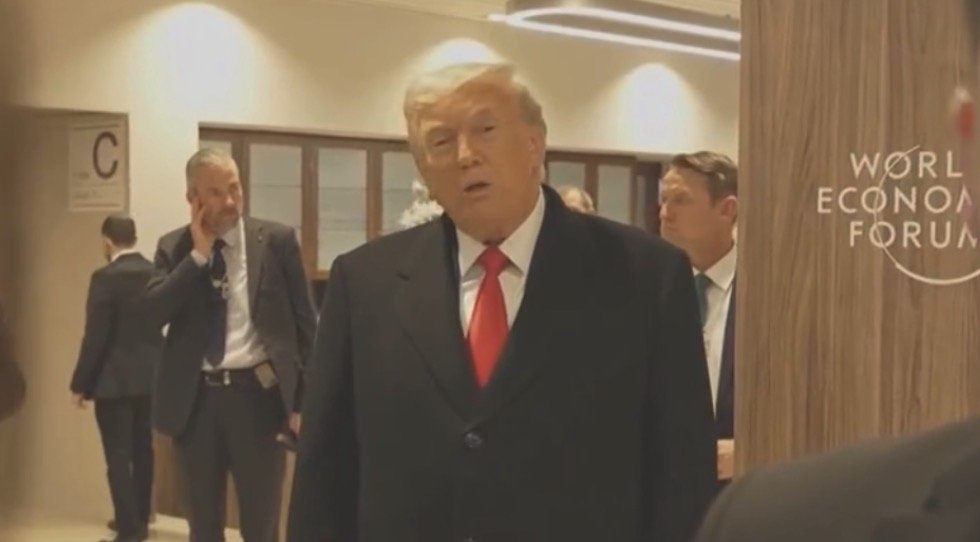
At Davos, President Trump told reporters he and NATO Secretary General Mark Rutte laid out a framework for a “long term” Greenland and Arctic deal. He called it “infinite” and said negotiators are working on details now. The White House also announced a pause on scheduled tariffs for eight NATO members while talks continue. The announcement is light on paper work and heavy on grand language, which is how international deals often start when everyone wants a press win.
Infinite. Forever. But where is the text?
Calling a deal “infinite” is catchy. It is not a legal term. The president repeated that the arrangement would be “signed forever,” but offered no public draft, treaty text, or binding language. Negotiations are being led by a team that includes the vice president, the secretary of state, and a special envoy. Expect statements, talking points, and carefully worded press releases before you see anything that actually changes law or borders.
Old treaty, new rewrite
Reporters say discussions will touch on the 1951 US-Denmark agreement that allowed American military facilities in Greenland in perpetuity. That treaty dates to the Cold War and already gave the United States a robust presence. Renegotiating it could mean updated rules, fresh base plans, or new restrictions. It could also mean months of legal wrangling. NATO officials reportedly want explicit language barring Russia and China from establishing footholds on the island. That is a clear goal. The road from goal to text is often bumpy.
Why Greenland matters now
Greenland is more than a headline. It sits above the North Atlantic and over key sea lanes. It has minerals and strategic high ground. Officials cite security and resources when selling the plan. Opponents will watch for any language that looks like territorial transfers or permanent sovereignty changes. Saying you will keep rivals out is not the same as writing enforceable, verifiable measures into an international treaty.
Negotiations, PR, and the timeline
The administration has put senior officials on the file and paused tariffs to ease talks. That is a practical step. It is also standard negotiating theater: concessions, public optimism, and staged progress. Media outlets will parse every quote. Bureaucracies will write drafts. Foreign capitals will consult lawyers. If you like drama, keep watching. If you like signed text, keep asking for the paperwork.
WE’D LOVE TO HEAR YOUR THOUGHTS! PLEASE COMMENT BELOW.