Sweden’s new stance
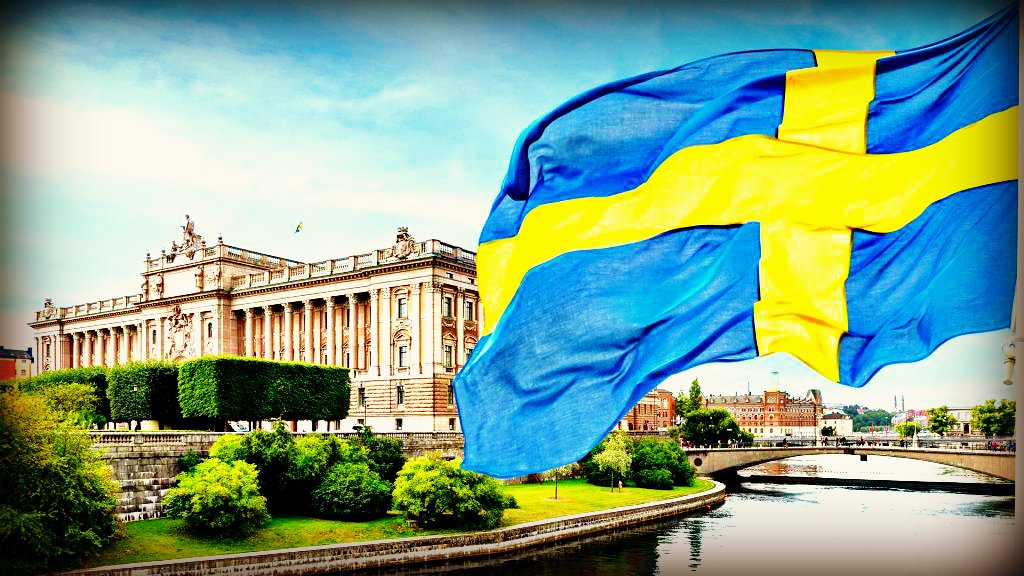
Prime Minister Ulf Kristersson told Sweden’s public broadcaster that Stockholm has held very early discussions with France and the United Kingdom about possible nuclear weapons cooperation. He stressed there are no concrete offers, no timelines, and the talks are preliminary. That is a big shift from the old Swedish script of neutrality and nonnuclear status, and it follows Sweden’s recent decision to join NATO and the wider debate over European security. Call it a foreign policy plot twist, brought to you by hard geometry on the map and softer talk in Brussels.
Why the shift now
Several forces are nudging this conversation into the open. The new U.S. defense posture emphasizes greater European responsibility for its own defense, and that has revived interest in European nuclear deterrence. France already keeps a nuclear force and sometimes publicly raises the idea of deeper European cooperation. If Washington trims its footprint and focuses elsewhere, European capitals will ask whether they can rely on others or whether they must buy or build deterrent capacity themselves, with all the diplomatic consequences that implies.
Legal and technical hurdles
Talk is easy, building is hard. Sweden is a party to the Nuclear Non Proliferation Treaty as a nonnuclear weapons state, so moving to make weapons would mean a major treaty breach and diplomatic rupture. Beyond the legal morass there are massive technical costs. Designing, producing, and securing a weapon requires years, specialist facilities, and intrusive inspections unless a state opts for a covert path. Even friendly cooperation with France or the UK would be constrained by treaties, export rules, and the public optics of sharing what are, in practice, the most sensitive capabilities any state can hold.
Political and public reaction
Reactions have been a mixed bag, from calm analysis to loud headlines and social media chirping. Some Swedish outlets and commentators argue Europe needs its own deterrent, while others warn of escalation and legal blowback. Activists and media spin will be part of the noise, as will bureaucratic pushback and PR from allied capitals trying to shape the story. https://twitter.com/JonasOlsson_/status/2016177375877197943?ref_src=twsrc%5Etfw
We cannot allow future Muslim majority nations like Sweden to obtain nuclear weapons. It is too dangerous. https://t.co/iMFpP2U98v
— Wall Street Mav (@WallStreetMav) January 11, 2026
https://twitter.com/NXT4EU/status/2010267681321054260?ref_src=twsrc%5Etfw
What to watch next
Expect more careful language from Stockholm, Paris, and London, and plenty of official briefings that will say very little. Possible paths include deeper cooperation short of weapons, such as sharing technology for civilian nuclear fuel, joint research on delivery systems, or hosting allied deterrents. Any real move toward weapons would take years and trigger legal, diplomatic, and economic fallout. For now the story is not a new arsenal, but a policy debate that will play out through parliaments, NATO forums, and layers of bureaucracy where most big decisions quietly die or get complicated to death.
WE’D LOVE TO HEAR YOUR THOUGHTS! PLEASE COMMENT BELOW.