What Brussels actually did
Foreign ministers from EU countries voted to put Iran’s Islamic Revolutionary Guard Corps on the bloc’s official terrorist list. The move lets the EU freeze assets, block financing, and make it a punishable offense to support the IRGC on European soil. That is more than a talking point. It is a legal tool Brussels can use right now if member states choose to apply it.
How the new sanctions work
Labeling the IRGC as a terrorist group unlocks standard sanctions measures. Banks can be ordered to freeze accounts. Contracts and transfers that benefit the group can be blocked. And people who provide material support can face penalties. In practice, these are the levers the EU claims will hit the IRGC where it counts, provided enforcement follows the decision in capitals and in financial institutions.
Who the EU put on the list
The package is not just the IRGC as an institution. Brussels named six entities and 15 individuals linked to violent repression. That list includes Iran’s interior minister Eskandar Momeni, prosecutor general Mohammad Movahedi Azad, Judge Iman Afshari, several IRGC commanders, and high ranking police officials accused of cracking down on peaceful protesters and detaining activists.
Why Brussels says it acted now
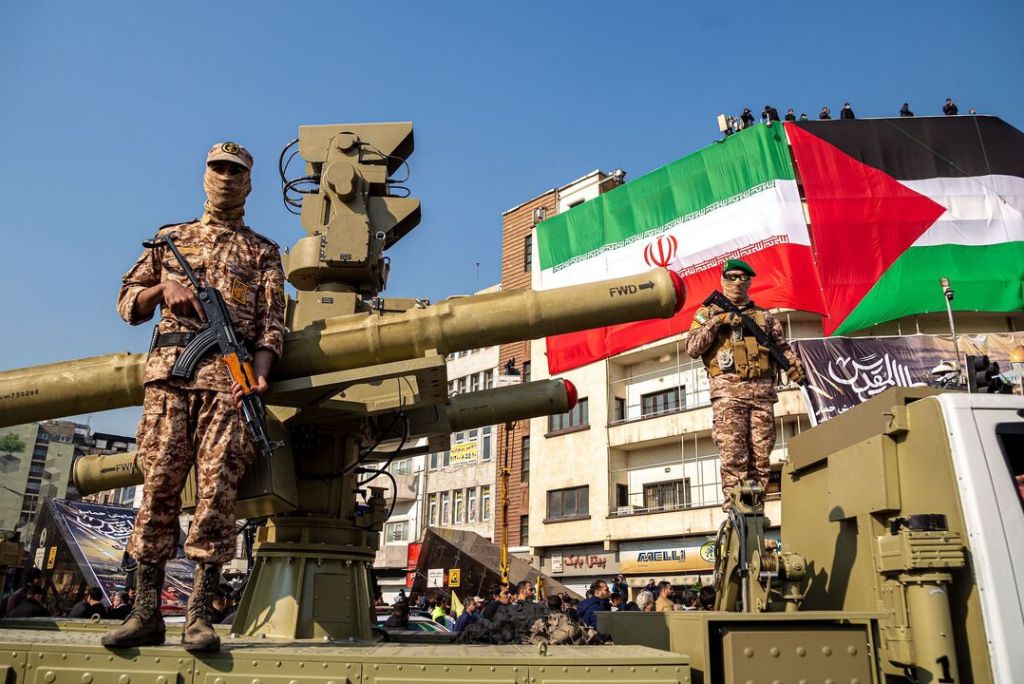
EU officials point to the violent suppression of civilian protests and documented human rights abuses as the catalyst. The IRGC is described as more than a military force. It is a power center inside Iran that controls parts of the economy and security apparatus, and that has been accused of supporting armed groups abroad. For Brussels, the label is a signal that state violence against civilians will carry costs on the international stage.
How Tehran and others reacted
Unsurprisingly, Iran called the move irresponsible and a breach of international law. Analysts say that reaction underlines the IRGC’s influence in Tehran. The decision also aligns the EU with earlier steps by the United States and Canada, which had already designated the IRGC as a terrorist organization, creating a broader western consensus on the issue.
What this means in practice
The designation is a political and legal statement, but it is not a silver bullet. Enforcement requires banks, customs, and police to act. Corporations and bureaucracies will now have to choose between careful compliance and slow foot dragging. Expect a mix of symbolic impact and patchy practical results depending on how aggressively member states push implementation.
https://twitter.com/GatewayHispanic/status/2016950724299571542?ref_src=twsrc%5Etfw
WE’D LOVE TO HEAR YOUR THOUGHTS! PLEASE COMMENT BELOW.