What the Arizona AG Said
Arizona Attorney General Kris Mayes spoke on television about encounters with masked federal officers. She noted Arizona’s stand-your-ground law and asked how people could know whether a masked agent was a peace officer. She also said that the law allows lethal force when someone reasonably believes their life is in danger. She added that you are not supposed to shoot peace officers, then asked how you would know they are peace officers. Critics saw that line of reasoning as offering a possible legal defense for someone who used deadly force against an agent they could not identify.
Leavitt’s Response at the White House
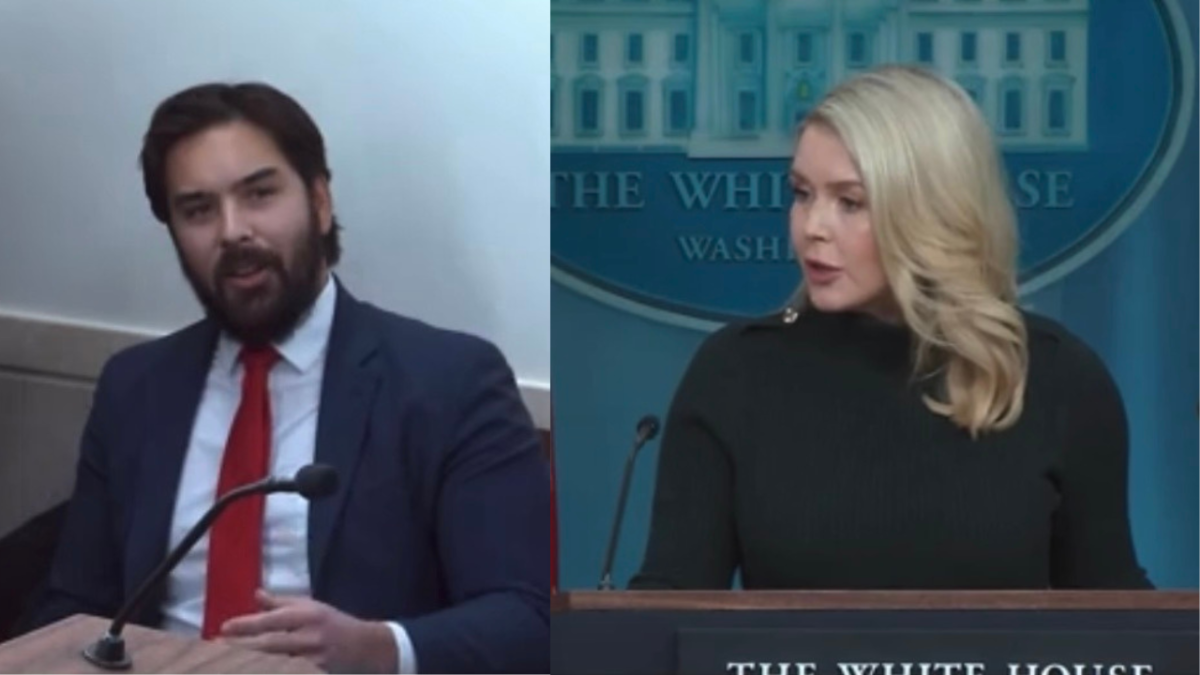
White House press secretary Karoline Leavitt strongly criticized the remarks. She said such rhetoric inflames tensions and can encourage unlawful obstruction of federal immigration enforcement. Leavitt pointed to a recent video from Minneapolis in which an agent said he was trying to apprehend a suspect. She called the comparison of federal agents to extreme labels shameful. When asked whether the Department of Justice should investigate the attorney general, Leavitt declined to call for a probe and deferred to the Justice Department.
Where Words Meet Violence
Words from public officials matter. In Minneapolis and elsewhere, clashes over immigration enforcement have led to fatalities. Two people died during anti-ICE protests in Minneapolis earlier this month and a separate encounter involving Border Patrol resulted in a shooting. Those events are real and tragic. Discussing legal defenses for using lethal force against agents risks making volatile situations more dangerous. Officials should weigh the possible effects of what they say, especially when lives have been lost.
Legal Questions and Stand Your Ground
Stand-your-ground laws vary by state, but the basic idea is that a person may use force if they reasonably fear for their life. The law generally excludes known peace officers. The tricky part is the word reasonably. If someone cannot identify an officer because the person is masked or in plain clothes, courts may have to decide what counts as reasonable belief. That legal uncertainty is not a clean endorsement to shoot. It is a messy area that usually gets sorted after the fact by prosecutors and judges, not by on-the-spot judgments from elected officials urging caution or offering legal cover.
The Media and Selective Outrage
Leavitt also accused parts of the media of selective outrage in coverage of recent incidents. She argued that some outlets treat certain deaths or suspects with sympathy while condemning others. That kind of uneven framing feeds public distrust. When outlets pick which violence to highlight and which to downplay, they shift the conversation away from consistent rules and toward partisan narratives. The public ends up less informed about actual legal standards and more inflamed by emotion and spin.
What Should Happen Next
There are clear steps officials can take to reduce risk. The attorney general could clarify her remarks and explain whether she intended to offer legal advice or simply describe a statute. The Justice Department can review whether any statements crossed a line into encouraging violence. Local leaders and law enforcement should emphasize identification protocols for federal officers to reduce confusion in the field. Above all, public officials should avoid language that could be read as condoning or easing the use of deadly force against law enforcement.
WE’D LOVE TO HEAR YOUR THOUGHTS! PLEASE COMMENT BELOW.